
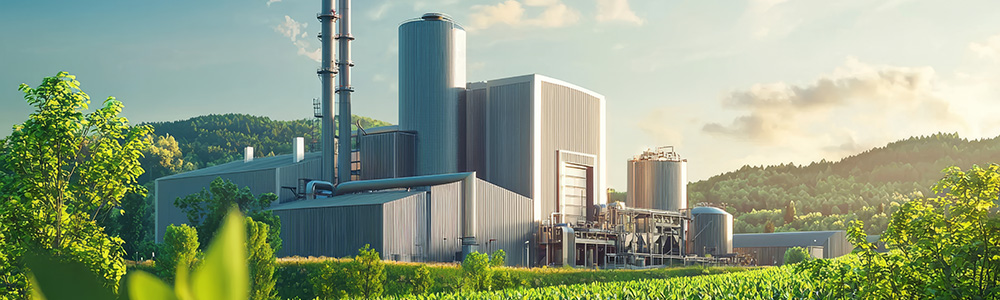
This two-day event is themed Advanced options for maximising value from biomass where we will explore opportunities for councils, industry and business in Australia in managing carbon in biomass materials better as our economy transitions to a future with net zero emissions.
The enormity of the challenge in transitioning our economy to net zero emissions by 2050, as set out in the Paris Agreement, is just being realised. The Australian Government has made a commitment under the Climate Change Act 2022 to achieve net zero emissions by 2050 – meaning that all fossil fuel carbon emissions will be offset by abatement programs or no emissions technologies, resulting in no “new” fossil fuel carbon being released into the atmosphere by 2050.
Whilst Government can set the policy framework and ambitious targets to help drive progress towards a future with less carbon dioxide to reduce the impacts of climate change – investment by business and industry in low carbon emissions technologies, clean manufacturing, sustainable farming systems, renewable fuels and green electricity is fundamental. Without this investment, net zero is likely to be extremely difficult to achieve by 2050.
Our conference will focus on advanced technologies and solutions for managing biomass better from wastes generated by households, businesses, industry and the community. These options will be of key interest to councils and industry to drive change to a low emissions future. Successful case studies from Australia and overseas will be explored to help highlight practical and relevant new opportunities to reduce emissions.
Host organisation

The Australian Industrial Ecology Network (AIEN) is a vibrant network of like-minded individuals, companies, and institutions with a common interest in sustainable development through the study and practice of industrial ecology.
AIEN aims to bring industry, government, and community stakeholders together to capitalise on Industrial Ecology opportunities and resolve emerging issues with coordinated solutions.